If you own a house in Hayatabad, University Town or Gulbahar, you already know what a winter electricity bill feels like. Installing solar panels in Peshawar is now one of the most practical ways to cut that bill in 2026, but only if the system is sized and maintained for the city’s real conditions. This guide walks through what matters locally.
Peshawar sits in a valley with hot, dry summers, cool winters and a fair amount of dust. Each of those factors changes how a rooftop array behaves. Let us look at them one at a time.
Why Solar Panels in Peshawar Make Financial Sense
Grid tariffs in Pakistan have climbed steadily, and load shedding in many Khyber Pakhtunkhwa neighbourhoods still interrupts the day. A rooftop system gives you a predictable cost per unit for the next 20 years or more. Once the equipment is paid for, daytime power is close to free.
Peshawar also gets strong sunshine for most of the year. Clear spring and autumn days produce excellent output, and even hazy winter days still deliver usable energy. That makes the city a good fit for both grid-tied and hybrid systems.
- Lower bills: daytime loads such as fans, refrigerators, water pumps and air conditioners run on your own power.
- Backup during outages: a hybrid inverter with batteries keeps essentials running when the grid trips.
- Property value: buyers increasingly ask whether a house already has solar.
- Predictable costs: you are less exposed to future tariff revisions.
How Much Solar Do You Actually Need?
The easiest way to size a system is to start with your bills. Add up the units you used in the last 12 months, divide by 365, and you get a daily figure. A rough rule in Pakistan is that each installed kilowatt produces somewhere between 4 and 5 units a day on average, though this varies by season.
For example, a household using 600 units a month needs about 20 units a day. That points toward a 5 kW system. A smaller flat with 300 units a month may be well served by 3 kW. Always leave a little room for future air conditioners or an electric vehicle.
| Monthly usage (units) | Typical system size | Roof space needed | Best fit |
|---|---|---|---|
| 250 to 350 | 3 kW | About 18 to 20 sq m | Small flat or 3 to 5 marla home |
| 400 to 600 | 5 kW | About 30 to 33 sq m | Average family home |
| 700 to 1,000 | 8 to 10 kW | About 48 to 60 sq m | Large house with several ACs |
| 1,200 plus | 12 kW or more | 70 sq m or more | Clinics, small offices, farmhouses |
What is the difference between on-grid, off-grid and hybrid?
An on-grid system feeds extra power into the network and is the cheapest option. Off-grid systems rely on batteries alone and cost more. Hybrid systems combine both, so you earn net-metering credit while still having backup. For most Peshawar homes with frequent outages, hybrid is the sensible middle path.
Dust, Winter Fog and Heat: Local Conditions to Plan For
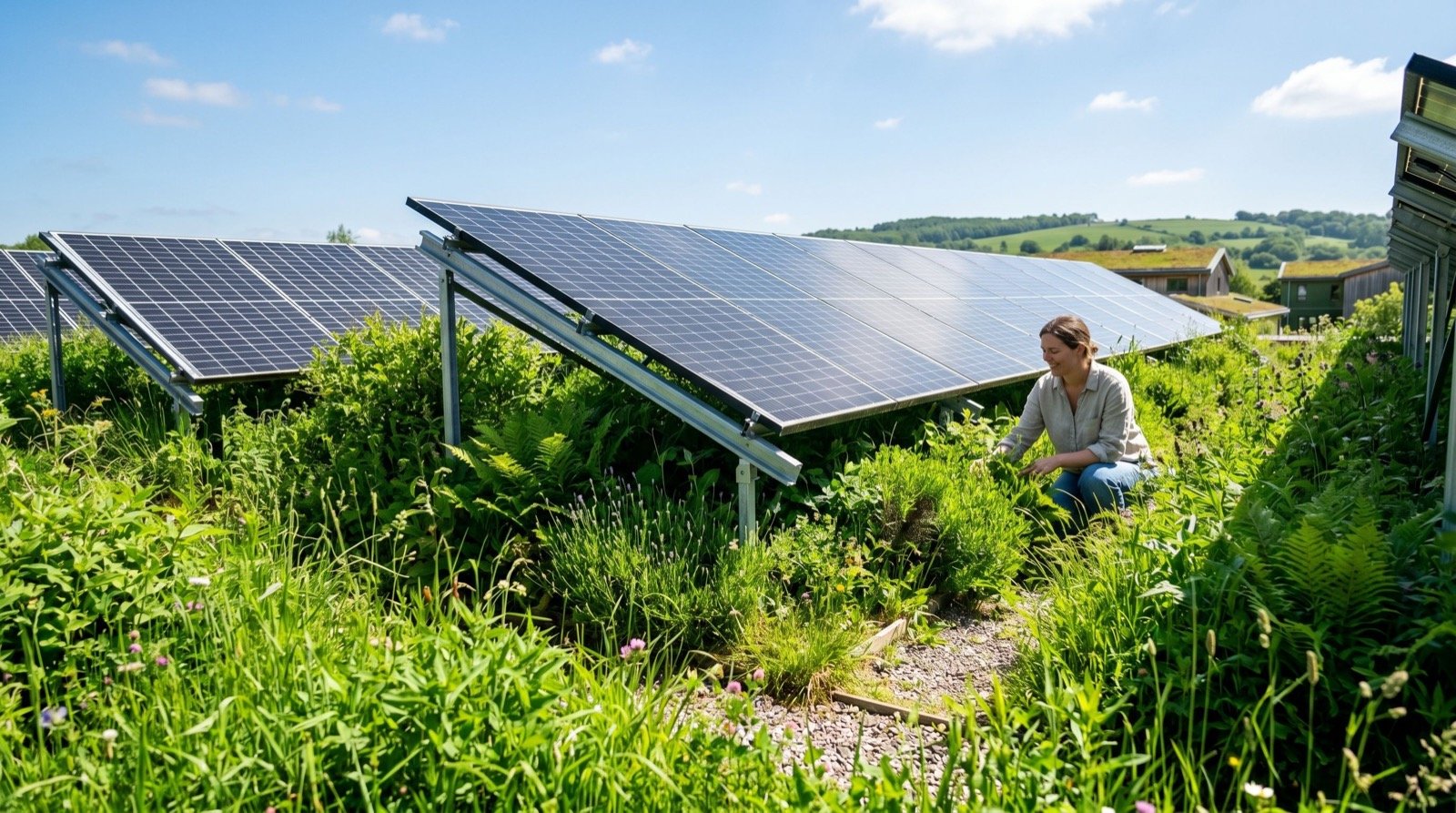
Dust is the biggest everyday enemy of rooftop output in Peshawar. A thin layer can quietly reduce production by a noticeable margin, especially after dry spells. Rain helps, but it rarely cleans panels fully and can leave streaks.
Here is a practical tip we share with clients: clean panels early in the morning, when the glass is cool, using soft water and a non-abrasive brush. Never spray cold water on hot glass at noon. Fifteen minutes every two to three weeks in dusty months pays for itself.
- Tilt panels at roughly 30 to 35 degrees so dust slides off more easily.
- Keep a safe walkway and access point so cleaning is not a risky job.
- Trim tree branches and avoid water tanks or parapet walls casting shade.
- Check the inverter app weekly for sudden drops in generation.
Winter fog lowers output between December and January, so your net-metering credits and your battery plan should assume lower winter production. Summer heat also matters. Panels lose a little efficiency as they get hot, so good airflow beneath the array is important.
Choosing Equipment and Installers You Can Trust
Not all panels, inverters and mounting structures are equal. Look for Tier 1 monocrystalline panels with a clear performance warranty, typically 25 years, and an inverter from a brand with local service support. Galvanised or aluminium structures should be rated for wind, since spring storms can be strong.
Equally important is who does the work. Wiring, earthing and surge protection decide whether a system lasts. When you shortlist installers, look for dependable specialists who will show you completed rooftops, explain the electrical design, and put every number in writing.
For a broader view of the national picture, the official regulator publishes net-metering rules and licensing information. You can read them at the National Electric Power Regulatory Authority (NEPRA) website before you sign anything.
How do you compare quotes fairly?
Ask every bidder to quote the same system size, brand tier and warranty. Then compare these points side by side:
- Panel brand, wattage and number of panels.
- Inverter model and warranty period.
- Structure material and thickness.
- Cable, breaker and earthing specifications.
- Net-metering paperwork support and after-sales visits.
Looking Beyond One City
Solar behaves differently across Pakistan. Industrial and textile customers in the Punjab have very different load profiles from a Peshawar household. If you manage property in several places, it helps to see how a commercial project is handled, for instance solar installation in Faisalabad, where factory rooftops and heavy daytime loads shape the design.
The lesson carries over to homes: design around your actual load pattern, not a generic package. A system sized for you will always outperform one picked from a price list.
Frequently Asked Questions
How long do solar panels last in Peshawar?
Quality panels typically carry a 25-year performance warranty and keep producing well beyond that, with slow, predictable degradation. Inverters usually need replacement after 8 to 12 years, so budget for that.
Do panels work on cloudy or foggy days?
Yes, but at reduced output. Diffuse light still generates electricity, though winter fog can cut daily production noticeably compared with a clear June day.
Is net metering available for residential users in Peshawar?
Net metering has been available through the distribution company, and rules have been revised several times. Check current terms with your utility and the regulator before sizing for export, as buy-back rates can change.
How long does installation take?
A typical residential system is installed in one to three days. Paperwork and inspections for net metering usually take longer than the physical work.
Final Thoughts
A well-planned system turns your roof into a steady source of income-saving power. Measure your real consumption, plan for dust and winter fog, and insist on written specifications. If you want a site visit and a clear quote for solar panels in Peshawar, contact a licensed installer this season so you are ready before the 2026 summer peak.